.png)
Oklahoma Energy-Saving Window Replacement Guide
Overview of Oklahoma Energy-Saving Window Replacement options, costs, and ROI for homes.
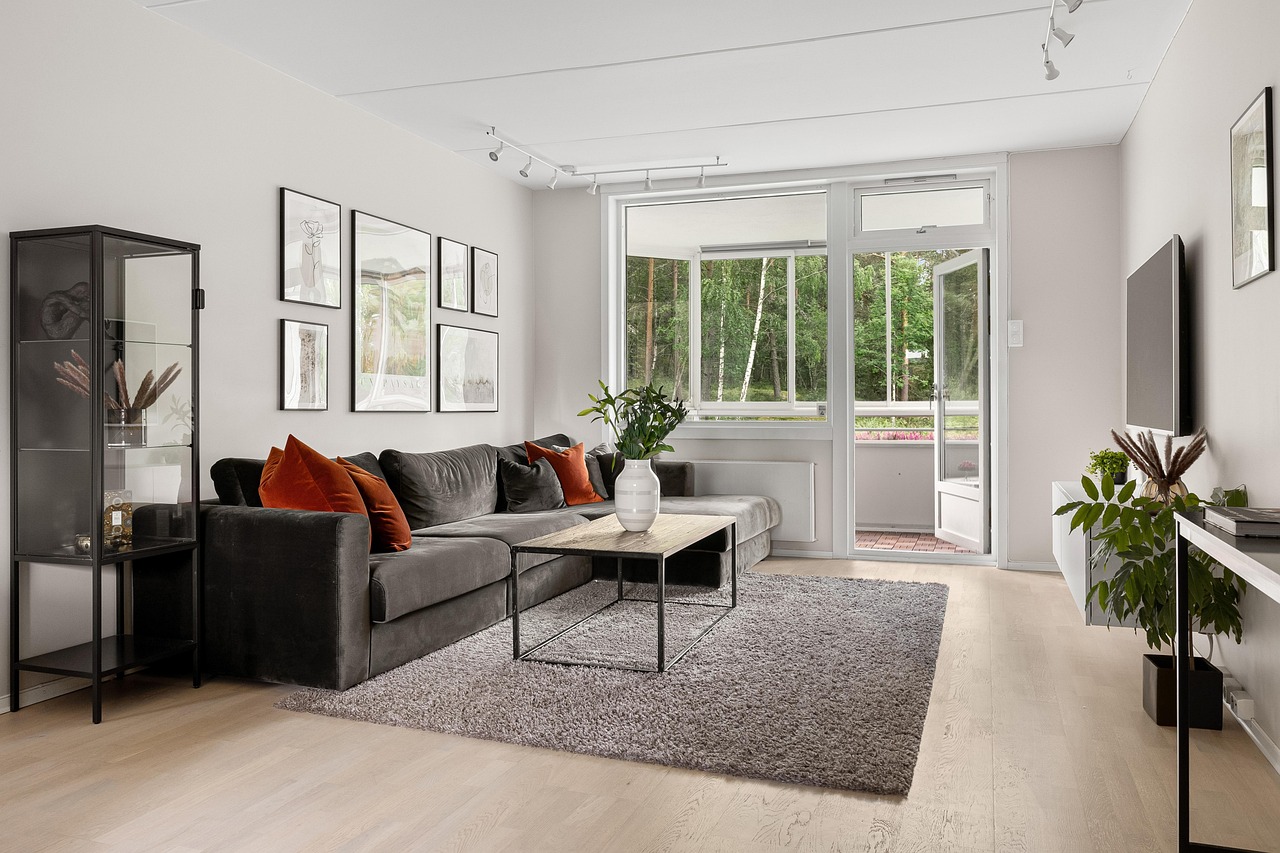
Oklahoma's climate features hot summers and cold snaps, making energy efficiency a top priority for homeowners. Oklahoma Energy-Saving Window Replacement can reduce heat gain in summer and heat loss in winter, lowering utility bills and improving indoor comfort. This guide explains how to choose energy-saving window options, what to expect during installation, and how to get the best value from your investment.
Why Oklahoma Energy-Saving Window Replacement matters
In Oklahoma homes, windows can account for a large portion of energy loss. Aging frames, cracked seals, and single-pane glass allow conditioned air to escape. By upgrading to energy-saving windows, you can lower monthly bills, reduce drafts, and improve indoor comfort. Additionally, properly installed, energy-efficient windows can help with cooling loads in summer and keep warm air inside during winter, contributing to a more consistent indoor environment.
Beyond energy savings, energy-saving windows improve indoor comfort by reducing drafts and temperature swings, especially in rooms with large sun exposure. Because Oklahoma experiences both extreme heat and occasional winter cold snaps, a well-chosen window reduces cooling loads in summer and helps retain heat in winter. For many homeowners, this translates to smaller HVAC runtimes and longer equipment life.
Additionally, hail and severe weather can threaten window integrity. Energy-saving options often come with impact-resistant glass or laminated constructions, which offer better protection and long-term value. When selecting windows for Oklahoma, consider not only insulation performance but also resilience to local weather events.
How energy-saving windows work
Energy-saving windows combine better insulation, low-emissivity coatings, and gas fills to reduce heat transfer. The two most important metrics are the U-factor, which measures heat transfer (lower is better), and the solar heat gain coefficient (SHGC), which measures how much sun heat your window allows inside (lower is typically better in hot climates). Look for windows with low U-factors and appropriate SHGC for Oklahoma's mixed climate. High-performance glass often uses a Low-E coating and may include inert gas fills such as argon for improved insulation.
Window performance also depends on frame design and seal quality. A well-sealed installation minimizes air leaks around the frame, which can significantly affect real-world energy savings. For Oklahoma homes, pairing a high-performance glass package with a thermally broken frame and high-quality sealant is a common path to tangible energy reductions.
Window materials
Frame materials influence insulation, maintenance, and cost. Vinyl frames are common for Oklahoma homes due to low maintenance and good energy performance. Fiberglass frames offer higher strength and better long-term stability. Wood frames provide aesthetics but require more maintenance or wood-clad designs. Aluminum frames are durable but can conduct heat better unless they are designed with thermal breaks.
Glass options and coatings
Double-pane and triple-pane configurations with Low-E coatings and inert gas fills (argon or krypton) provide the best insulation. In Oklahoma, double-pane with a premium Low-E coating and an appropriate SHGC often offers a favorable balance of performance and cost. For high-sun rooms, selecting a Smart or selective Low-E coating can further reduce heat gain while preserving daylight.
Choosing the right windows for Oklahoma
When evaluating options, rely on energy performance labels such as NFRC ratings and ENERGY STAR certifi cation. NFRC ratings provide standardized U-factor and SHGC values, allowing apples-to-apples comparisons. In Oklahoma, ENERGY STAR windows are typically optimized for energy conservation across seasonal swings and can qualify for federal incentives. Consider your home orientation, shading, and local climate when selecting glazing and frame materials.
Take orientation and shading into account: south- and west-facing windows absorb more heat; you may want a lower SHGC for those elevations. For north-facing or shaded facades, a moderate SHGC can maximize daylight while limiting heat loss. In addition, ensure proper installation that seals the rough opening and prevents air leakage. For Oklahoma homes, consider windows with multiple weatherstripping options and robust frames that prevent warping in fluctuating humidity.
Cost and ROI considerations
Installed costs vary by material, size, and installer; typical residential replacements can range from a few hundred dollars to over a thousand dollars per window in Oklahoma. While vinyl windows commonly offer the best initial value, fiberglass and wood-clad options may appeal for longer life and aesthetics. A well-chosen energy-saving window can cut heating and cooling costs by a noticeable margin, leading to a payback period of several years depending on climate, energy prices, and usage. Don’t overlook federal energy tax credits and utility incentives which can offset part of the upfront cost.
| Window Type | Typical U-factor | Typical SHGC | Life Span | Installed Cost (per window) | Pros | Cons |
|---|---|---|---|---|---|---|
| Vinyl | 0.28–0.32 | 0.25–0.40 | 20–40 years | $350–$700 | Low maintenance, good value | Limited color options |
| Fiberglass | 0.25–0.30 | 0.25–0.40 | 30–50 years | $600–$1200 | Very durable, strong | Higher upfront cost |
| Wood (wood-clad) | 0.25–0.34 | 0.30–0.40 | 30–60 years | $800–$1500 | Aesthetics, good insulation | Maintenance required |
| Aluminum-Clad | 0.20–0.30 | 0.25–0.40 | 25–50 years | $900–$1800 | Durable, modern look | Potential condensation in extreme cold |
Installation process and finding a trustworthy Oklahoma contractor
Choosing the right contractor is essential for achieving the energy savings promised by Oklahoma Energy-Saving Window Replacement. Start with referrals, check licenses and insurance, and request proof of manufacturer certifications. Ask about the installation method, debris removal, promised U-factor and SHGC guarantees, and warranty terms. A reputable installer will perform precise measurements, seal against air leaks, and ensure proper flashing to prevent water intrusion. Read reviews and request a written estimate that itemizes materials, labor, and any disposal fees. Local experience matters, as Oklahoma contractors understand seasonal weather patterns and code requirements. Ask about permits, unit testing of energy performance, and post-install inspection to verify performance targets.
Maintenance and long-term care
Maintaining energy-saving windows extends their life and preserves performance. Clean the glass with nonabrasive cleaners, inspect seals periodically for signs of wear, and ensure proper drainage around openings. If you notice condensation between panes, the window may need a reseal or replacement rather than cleaning. Use drapes, blinds, or window shading to minimize heat gain during peak sun hours, complementing the performance of your energy-saving window replacement. Periodic frame checks for warping or fading help maintain airtight seals and reduce drafts.
Conclusion, Oklahoma Energy-Saving Window Replacement offers a practical path to lower energy bills, improved comfort, and lasting home value through smart material choices, certified glass, and professional installation.