.png)
Roof Ventilation System Optimization and Upgrade
Essential guide to optimizing and upgrading roof ventilation for efficiency, moisture control, and comfort.
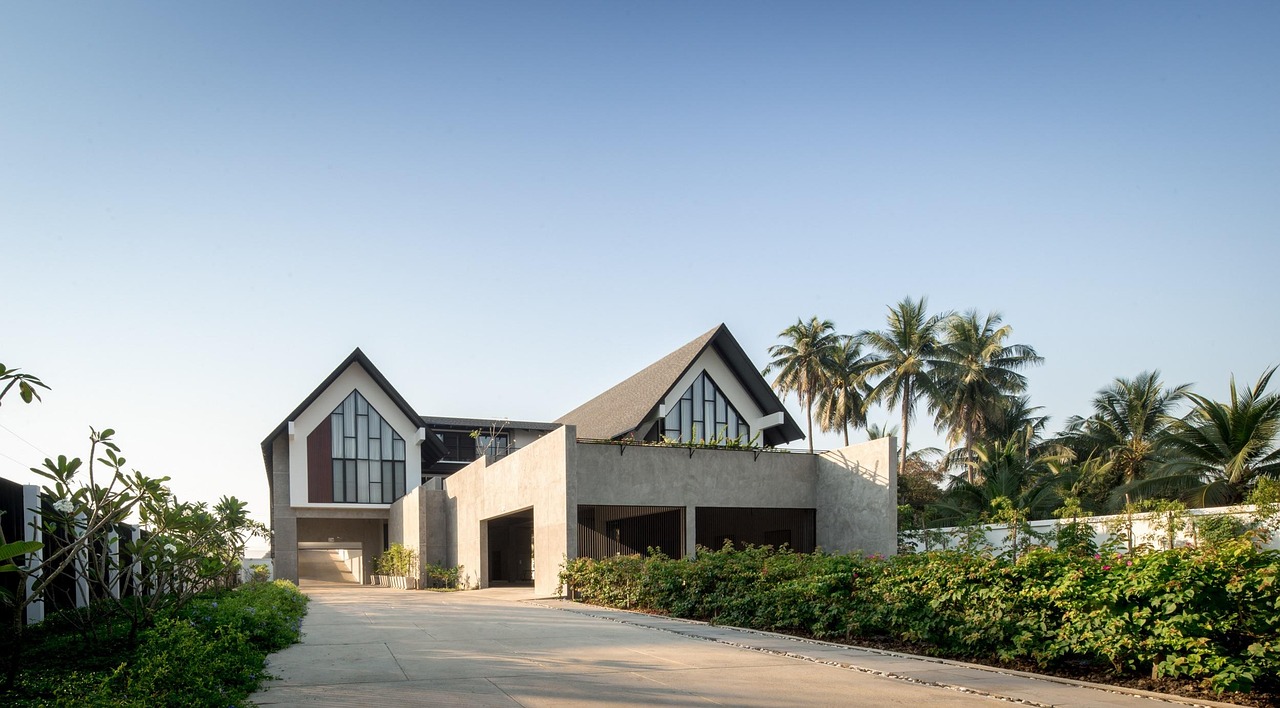
Effective roof ventilation protects a home from moisture damage, reduces energy use, and preserves structural integrity. Roof Ventilation System Optimization and Upgrade is not just about adding more vents; it is about balancing airflow, temperatures, and moisture paths across seasons. This guide blends industry best practices, code references, and practical installation tips to help homeowners, builders, and property managers improve attic performance and long-term value. By following proven strategies, you can lower cooling costs, extend shingle life, and improve indoor air quality while complying with local codes and standards.
Why roof ventilation matters
Attic ventilation is a critical part of a home’s thermal envelope. In hot weather, it helps exhaust heat from the attic, reducing the cooling load on the HVAC system. In cold weather, proper venting minimizes ice damming and condensation, which can lead to wood rot and mold growth. A well designed Roof Ventilation System Optimization and Upgrade supports a balanced flow of fresh air, prevents stagnant air pockets, and protects insulation from moisture buildup. When implemented correctly, ventilation contributes to longer shingle life, quieter operation of mechanical systems, and a more stable indoor environment.
Signs your system needs optimization or an upgrade
- Attic temperatures feel unusually hot in summer even with a functioning HVAC system.
- Persistent moisture, damp insulation, or visible mold in the attic.
- Updated insulation or new roof installation without revisiting venting balance.
- Uneven cooling or drafts that indicate air leaks bypassing the ventilation path.
- nuisance noises from turbines or fans, or excessive energy bills without other explanations.
Key components of a roof ventilation system
Soffit vents
Soffit vents serve as intake points that allow outside air to enter the attic space. They should be evenly distributed along the eave line and remain clear of insulation and debris to maintain air flow.
Ridge vents
Ridge vents act as the exhaust path, allowing warm, moist air to escape from the attic. They work best when combined with properly spaced soffit vents and unobstructed attic routes.
Air seals and baffles
Air sealing around penetrations and installing baffles between insulation and the ventilation path ensures a dedicated intake/exhaust route, preventing insulation from blocking airflow.
Mechanical options
Powered attic fans and moisture control devices can enhance airflow in larger or high-moisture attics or in climates where passive ventilation falls short. These should be installed with control strategies (thermostat or humidistat) to avoid over-venting in mild weather.
Optimization strategies for Roof Ventilation System
Optimization focuses on achieving balanced ventilation tailored to climate, attic size, insulation levels, and roofing design. Consider the following best practices:
- Calculate vent area using local guidelines. A common starting rule is one square foot of vent area for every 300 square feet of attic floor space (1:300), with adjustments for hot and humid climates (1:150 in some jurisdictions).
- Ensure continuous ventilation paths from soffits to the ridge. This often requires sealing gaps and installing attic baffles so insulation does not block airflow.
- Upgrade insulation where needed to minimize heat transfer and keep attic temperatures manageable without starving vents of air.
- Remove obstructions near intake vents, including stored items and heavy insulation near the soffit line.
- Consider hybrid systems in larger or higher moisture spaces, blending passive intakes with controlled exhaust fans to maintain balanced airflow.
- Maintain a clean attic environment—regularly inspect for pest blockages, dust buildup, and any signs of moisture intrusion.
Upgrade options: choosing the right path
Upgrading a roof ventilation system should align with your roof type, climate, and budget. The table below summarizes common options, their benefits, and ideal scenarios. This helps homeowners and contractors compare strategies and plan a phased improvement if needed.
| Option | What it is | Pros | Cons | Ideal scenarios | Cost range |
|---|---|---|---|---|---|
| Soffit vents + Ridge vent (balanced passive) | Intake at soffits, exhaust at ridge | Low maintenance, silent operation, energy-efficient | Requires proper attic clearance and airflow path | Most new or existing homes with ample attic space | $200 - $900 |
| Continuous soffit vents with ridge ventilation | Continuous intake along the eaves with ridge exhaust | Even airflow, scalable for larger attics | Air leaks can reduce effectiveness if not sealed | Mid-size to large attics in temperate climates | $300 - $1,200 |
| Attic baffles + air sealing | Prevents insulation from blocking airflow and seals gaps | Helps maintain dedicated air path, boosts insulation performance | Requires careful installation; not a standalone upgrade | Any attic needing airflow clarity and moisture control | $100 - $400 (per attic) |
| Powered attic exhaust fan | Electric or thermostat-controlled exhaust fan | Strong moisture removal in humid climates, reliable in large spaces | Electrical considerations; potential noise; energy use | Very large attics or climates with high humidity | $300 - $900 plus installation |
| Ridge vent upgrade with turbine vents | Hybrid approach with ridge vent and supplemental turbine | Enhanced exhaust capacity, flexible control | Requires calibration and regular maintenance | Older roofs needing upgrade without full removal | $200 - $1,100 |
| Whole-house fan integration | Whole-home cooling with attic exchange | Can reduce cooling load; rapid air exchange | Requires proper ducting and weather considerations; noise risk | Homes where summer cooling is dominant and ducting is feasible | $600 - $2,500 |
Maintenance and best practices
Maintenance is essential to preserve the performance you gain from an upgrade. Schedule annual inspections to check vent openings for obstructions, ensure baffles are in place, and verify that insulation around vents remains clear. Clean soffit and ridge vents as needed to prevent dust and debris buildup. Inspect for signs of moisture intrusion, roof leaks, or pest activity, and address them promptly. A well-maintained system continues to deliver energy savings, better IAQ, and longer roof life.
Choosing a professional and estimating ROI
Selecting a qualified contractor is critical for Roof Ventilation System Optimization and Upgrade success. Look for licensed HVAC or roofing professionals with proven experience in attic ventilation, references from previous projects, and clearly stated warranties. Ask for a site assessment, a recommended venting plan, and a written estimate that includes material, labor, and potential code permitting. Consider ROI in terms of reduced energy bills, longer roof life, and improved indoor comfort. In many regions, a properly designed upgrade pays back within a few years through lower cooling costs and maintenance avoidance.
Frequently asked questions
Q: Do I need a permit for a ventilation upgrade?
A: In most areas, major ventilation upgrades require a permit or inspection to ensure compliance with building and energy codes. Check with your local codes office or a qualified contractor.
Q: Can ventilation upgrades damage my roof?
A: If installed properly, upgrades should not damage the roof. Poorly planned openings or misaligned vents can cause leaks or ice dam issues. Work with experienced professionals to ensure flashing, sealing, and ventilation paths are correct.
Q: How long does installation take?
A: A typical attic ventilation upgrade can take from half a day to a few days, depending on attic size, roof type, and the complexity of adding or relocating vents or fans.
Conclusion, final considerations
Conclusion, optimizing and upgrading a roof ventilation system is a practical, cost-effective way to improve comfort, protect the structure, and increase energy efficiency. Start with a solid assessment of attic size, climate, and current venting balance. Implement balanced passive options first, then add mechanical enhancements if needed. Maintain air paths by sealing leaks, keeping intake vents clear, and updating insulation where appropriate. By focusing on proper design, professional installation, and regular maintenance, you can achieve long-lasting performance aligned with EEAT principles—expertise, experience, authority, and trust—while safeguarding your home for years to come.