.png)
Oklahoma Roof Replacement: Expert Guide
Comprehensive guide to Oklahoma Roof Replacement: materials, costs, and contractor tips.
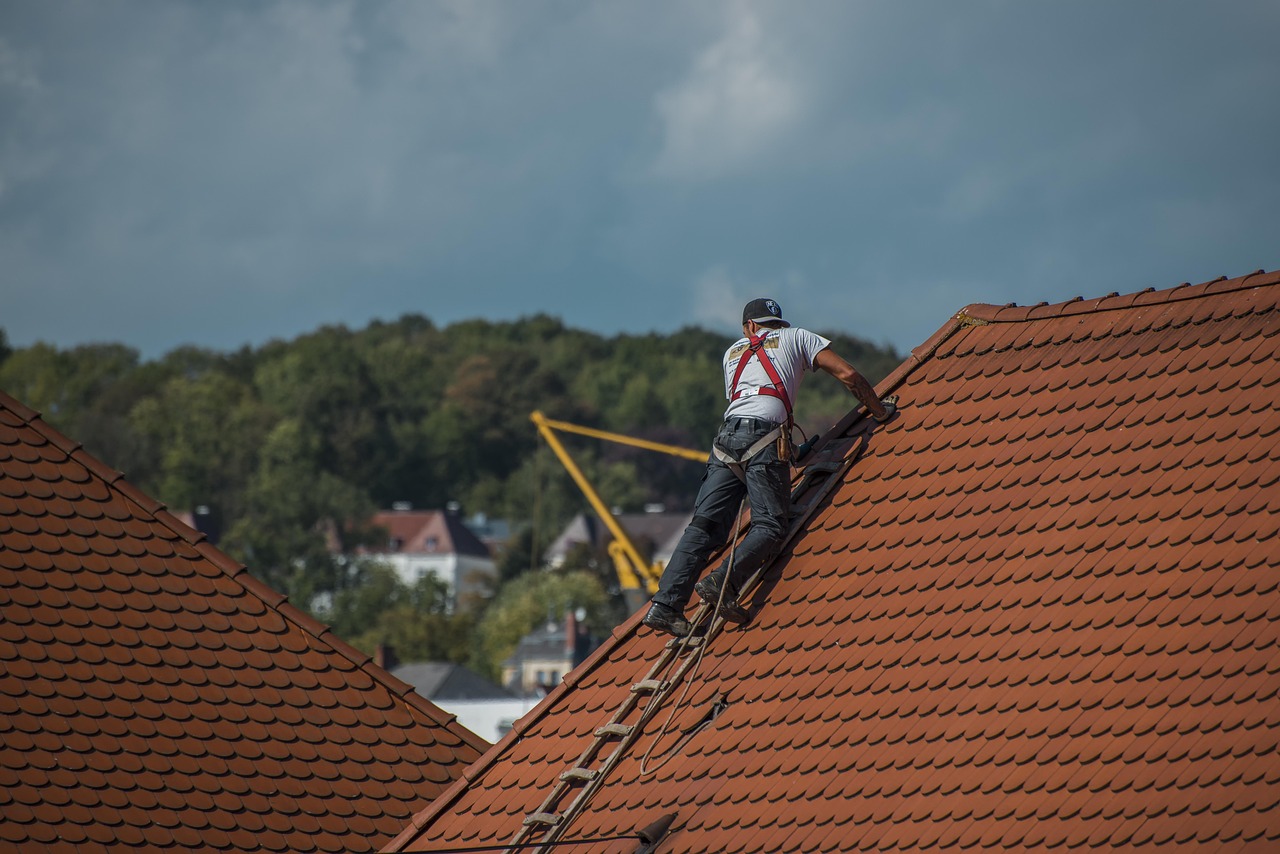
Replacing a roof is a major investment, and homeowners in Oklahoma have unique weather-driven considerations. From heavy hail and strong winds to dramatic temperature shifts, the right roof replacement plan protects your home, improves energy efficiency, and preserves property value. This guide explains how to approach Oklahoma Roof Replacement with expertise, so you can choose durable materials, hire trusted contractors, and plan a project that stands up to the state's climate.
Why Oklahoma requires careful roof replacement planning
Oklahoma experiences severe hail storms, frequent wind events, and wide temperature fluctuations. These conditions accelerate wear and create specific roofing challenges:
- Hail impact can dent metal and crack shingles, shortening service life.
- Intense summer heat expands and contracts roofing materials, potentially causing seams to fail.
- Heavy winter precipitation and freeze-thaw cycles stress underlayment and attic ventilation.
- Wind uplift from storms can peel back edges and compromise fasteners.
When to replace vs. repair
Knowing when to replace rather than repair is essential for long-term value. Consider the following indicators:
- Shingle granules in gutters and at the foundation of walls indicate aging roofing.
- More than 20–25% of shingles are damaged or curling, even after spot repairs.
- Repeated leaks in the attic, especially after storms, suggest underlayment deterioration.
- Sagging roofline or visible daylight through the attic is a sign of structural risk.
- Older roofs past their typical lifespan (15–25 years for asphalt, longer for metal or tile) merit replacement consideration.
Best roofing materials for Oklahoma conditions
The right material balances durability, weight, cost, and impact resistance. Here are common choices for Oklahoma homes:
ASPHALT SHINGLES
Popular for cost and ease of installation. Modern asphalt shingles with impact resistance and good warranty provisions perform well in hail-prone areas when a quality underlayment is used.
METAL ROOFING
Metal roofs offer excellent longevity, wind resistance, and energy efficiency. They shed hail effectively and reflect heat, reducing cooling costs in hot Oklahoma summers. Structural framing must support the weight and profile you choose.
CLAY OR CONCRETE TILE
Tile roofs provide dramatic curb appeal and long lifespans, but they are heavy and require structural assessment. Suitable for certain Oklahoma climates where aesthetic goals align with a strong roof deck and proper installation.
COMPOSITE OR SYNTHETIC SHINGLES
Engineered materials mimic traditional shingles with improved impact resistance and lighter weight. They often come with robust warranties and can be a middle ground between asphalt and tile.
Replacement process: step by step
- Inspection and permit planning: A licensed roofer assesses damage, confirms roof structure integrity, and reviews local permitting requirements.
- Choosing materials and design: Decide on color, material, and underlayment options that meet wind uplift and hail resistance standards.
- Temporary protection and safety: Create safe access, protect landscaping, and establish worksite safety protocols.
- Removal of old roofing: Careful stripping of shingles, debris removal, and disposal in compliance with local regulations.
- Underlayment and flashing: Install a proper underlayment system and replace flashing around chimneys, vents, and valleys.
- Roof installation: Install new roof panels or shingles with attention to manufacturer's requirements and wind uplift specifications.
- Inspections and cleanup: Final inspection by the contractor and a thorough cleanup to leave the property in good order.
Costs and budgeting for Oklahoma Roof Replacement
Costs vary by material, roof size, pitch, and disposal fees. For Oklahoma homes, typical installed costs per square foot approximate the following ranges, though exact pricing depends on local labor markets and material choices:
- Asphalt shingles: about $4–$9 per sq ft
- Metal roofing: about $7–$12 per sq ft
- Clay or concrete tile: about $10–$25 per sq ft
- Composite shingles: about $5–$12 per sq ft
Other cost considerations include roof deck repairs, flashing replacements, attic insulation improvements, and waste disposal. In Oklahoma, reroofing may also benefit from storm-related insurance considerations, though deductibles and coverage vary by policy. A reputable contractor will provide a detailed written estimate that itemizes materials, labor, permits, and any site-specific work.
Finding a trusted Oklahoma roofing contractor (EEAT)
The EEAT framework—Experience, Expertise, Authority, and Trust—helps homeowners evaluate contractors. Look for:
- Experience: Local projects with long-term warranties and documented references.
- Expertise: Certified installers, manufacturer training, and knowledge of Oklahoma wind and hail codes.
- Authority: Proper licensing, insurance, and clear claims about warranty coverage.
- Trust: Transparent contracts, accessible communication, and verifiable customer reviews.
Tips for choosing the right contractor:
- Ask for local references and portfolios of recent Oklahoma projects.
- Verify licenses, insurance, and any certifications from shingle or metal manufacturers.
- Get detailed written estimates and a clear timeline, including cleanup and disposal.
- Confirm warranty terms for both materials and workmanship, and understand how claims are handled.
Maintenance tips to extend roof life in Oklahoma
- Inspect after major storms for wind-lift or hail damage and address promptly.
- Keep gutters clean to prevent water backup and ice dam formation in colder months.
- Ensure attic insulation and ventilation are adequate to minimize heat buildup and condensation.
- Schedule professional inspections every 3–5 years to catch issues early.
Material comparison for Oklahoma homeowners
| Material | Lifespan | Pros | Cons | Installed cost (per sq ft) |
|---|---|---|---|---|
| Asphalt shingles | 15–30 years | Affordable, versatile, easy to install | Less durable in hail; shorter lifespan | $4–$9 |
| Metal roofing | 40–70 years | Excellent hail resistance, energy efficiency | Higher upfront cost; potential noise in rain | $7–$12 |
| Clay/Concrete tile | 50–100+ years | Durable, attractive, long-lasting | Heavy; requires structural assessment; higher cost | $10–$25 |
| Composite/Synthetic | 40–50 years | Low maintenance, varied aesthetics | Color fading possible; mid-to-high cost | $5–$12 |
Warranty and warranty claims
Warranty coverage varies by material and installer. A quality Oklahoma roof replacement should include a material warranty from the manufacturer and a workmanship warranty from the contractor. Ask about transferability, what triggers a claim, and the process for repairs after the installation is complete.
Conclusion and next steps
Oklahoma Roof Replacement is a strategic project that balances climate resilience, upfront investment, and long-term value. By understanding local weather challenges, selecting durable materials, budgeting for the full scope, and partnering with a trusted, licensed contractor, homeowners can achieve a roof that protects every room of the home for decades. A careful approach to inspection, material choice, and warranty coverage will yield peace of mind when storm season returns and temperatures swing across the seasons.
Summary: In Oklahoma, a successful roof replacement hinges on aligning material durability with climate demands, hiring experienced local professionals, and prioritizing transparent budgeting and warranty coverage to ensure lasting protection and value for your home.