.png)
Mold-Proof Bathroom Renovation in Oklahoma
Expert guide on Mold-Proof Bathroom Renovation in Oklahoma with tips, materials, costs, and hiring advice.
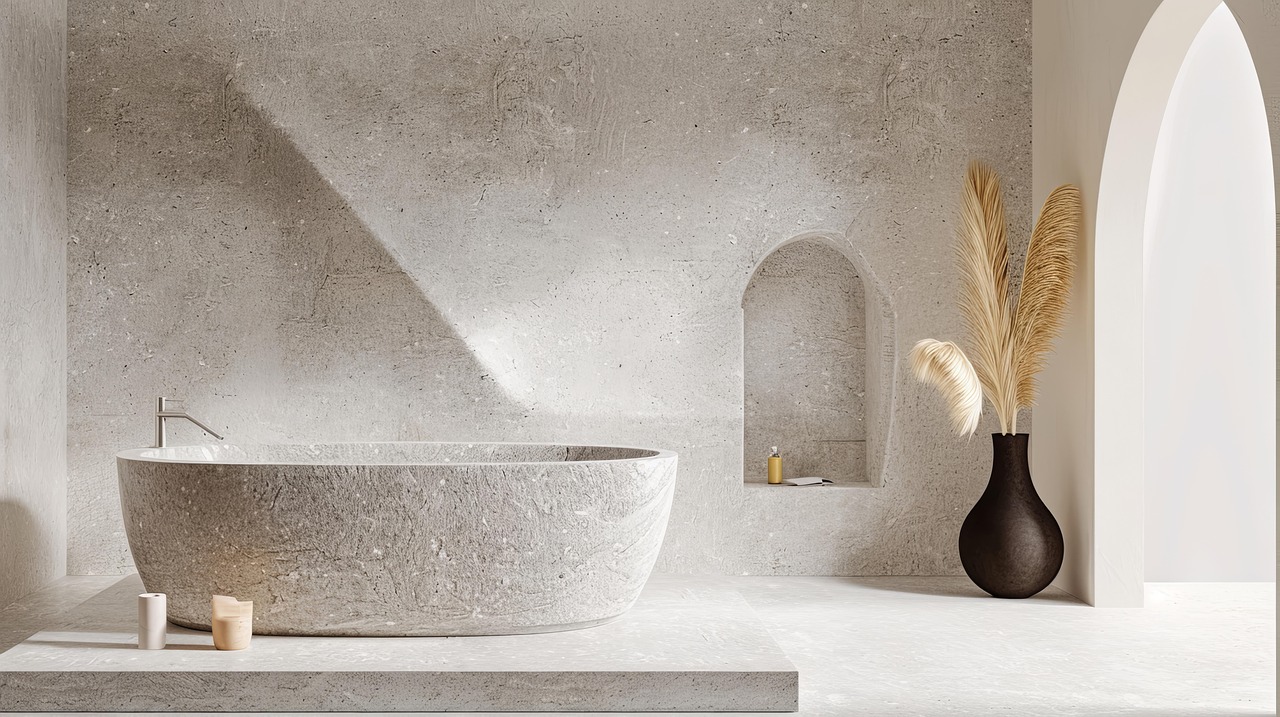
Oklahoma homeowners know that humid bathrooms can become mold hotspots. A Mold-Proof Bathroom Renovation is not just about style; it is about durable moisture control that protects health and home value. This guide provides proven methods, Oklahoma-specific considerations, and a step-by-step plan from assessment to maintenance, so you can plan with confidence.
Why Oklahoma faces unique mold risks in bathrooms
Oklahoma’s climate features hot, humid summers and occasional heavy rainfall, which can drive excess moisture into bathrooms. Older homes may have leak-prone plumbing or inadequate ventilation. Left unchecked, these factors create a perfect environment for mold to thrive behind tiles, in wall cavities, and under vanities. A mold-proof renovation addresses these risks at the design and build stages, reducing maintenance costs and improving indoor air quality for your family.
Key strategies for a mold-proof bathroom renovation
1) Moisture barriers and waterproofing
Start with a robust moisture plan. Use cement backer board in all wet zones, and apply a continuous waterproof membrane on walls and floors. Ensure proper slopes and a reliable shower pan waterproofing system. Seamless penetration sealing around plumbing fixtures minimizes hidden leaks that feed mold growth.
2) Ventilation and humidity control
Install a high-quality exhaust fan that vents outdoors, not into attic spaces. Consider humidity-sensing controls that auto-boost ventilation when moisture rises. In tight Oklahoma homes, design cross-ventilation paths and ensure fresh air enters living spaces while keeping humidity levels below 50–60% in bathrooms.
3) Mold-resistant materials and finishes
Choose materials known for mold resistance where possible. Options include cement backer boards in wet areas, mold-resistant drywall in dry zones, epoxy grout for tile joints, and ceramic or porcelain tiles. For paint, select mold-inhibiting, washable finishes on walls away from direct water splash zones.
4) Plumbing systems and shower containment
A properly installed shower liner with a watertight pan and sealed penetrations is critical. Avoid exposed wood in wet zones; use corrosion-resistant hardware and water-rated fixtures. Regularly inspect plumbing joints and maintain seals to prevent slow leaks that promote mold growth.
5) Design and layout considerations for Oklahoma homes
Opt for shower configurations that minimize mold-prone nooks, such as linear drains and walk-in designs with easy-to-clean surfaces. Size the vanity, mirror, and lighting to reduce condensation on reflective surfaces. Plan for accessible maintenance panels to reach plumbing without demolition.
Materials, costs, and lifecycle considerations
Investing in mold-resistant materials may increase upfront costs, but it lowers long-term maintenance and remediation expenses. The goal is long-term durability, reduced nuisance mold, and improved indoor air quality. Below is a quick reference to common materials and their roles in a mold-proof renovation.
| Material/Feature | Mold Resistance | Typical Uses | Installation Notes |
|---|---|---|---|
| Cement backer board | High | Shower walls, tub surrounds | Use with proper fasteners and mesh tape; seal edges |
| Waterproof membrane (sheet or liquid) | High | Along all wet zones, niches, pans | Careful seam work and penetrations |
| Epoxy grout | High | Tile joints in showers and wet areas | Higher cost, longer cure time but less moisture absorption |
| Mold-resistant drywall | Moderate-High | Dry zones and ceilings | Avoid direct water exposure; not for shower walls unless specified |
| Water-resistant paint with mold inhibitors | Moderate | Non-wet wall surfaces | VOC considerations; proper surface preparation |
In Oklahoma, plan for a phased budget that accounts for potential upgrades in moisture barriers, waterproofing and ventilation. While premium materials add upfront costs, they translate into fewer mold-related calls, healthier indoor air, and a longer-lasting renovation.
Hiring a contractor in Oklahoma and permitting
Work with licensed contractors who understand Oklahoma building practices and local framing, plumbing, and electrical codes. Verify licenses and insurance, request a detailed written plan, and confirm the inclusion of permits and inspections. A qualified contractor will provide warranty terms and documentation for moisture-control products and installed systems.
Maintenance plans to sustain mold-proof performance
Maintenance is essential to preserve your investment. Schedule periodic checks of grout and sealants, clean and service exhaust fans, and monitor humidity levels with a simple hygrometer. Promptly repair any leaks and reseal joints as needed. Regular inspections after heavy use seasons—like Oklahoma summers—help catch issues before they become costly mold problems.
Conclusion, bringing it all together
Conclusion, a Mold-Proof Bathroom Renovation in Oklahoma combines robust moisture barriers, effective ventilation, and mold-resistant materials with professional installation and ongoing maintenance. By prioritizing design choices that minimize moisture pockets, using durable finishes, and engaging qualified local professionals, homeowners can achieve a healthier bathroom that stands up to Oklahoma’s climate, protects indoor air quality, and preserves home value for years to come.