.png)
Eco-Friendly Bathroom Materials: A Complete Guide
Explore Eco-Friendly Bathroom Materials: sustainable options, durability, and cost for eco-conscious renovations.
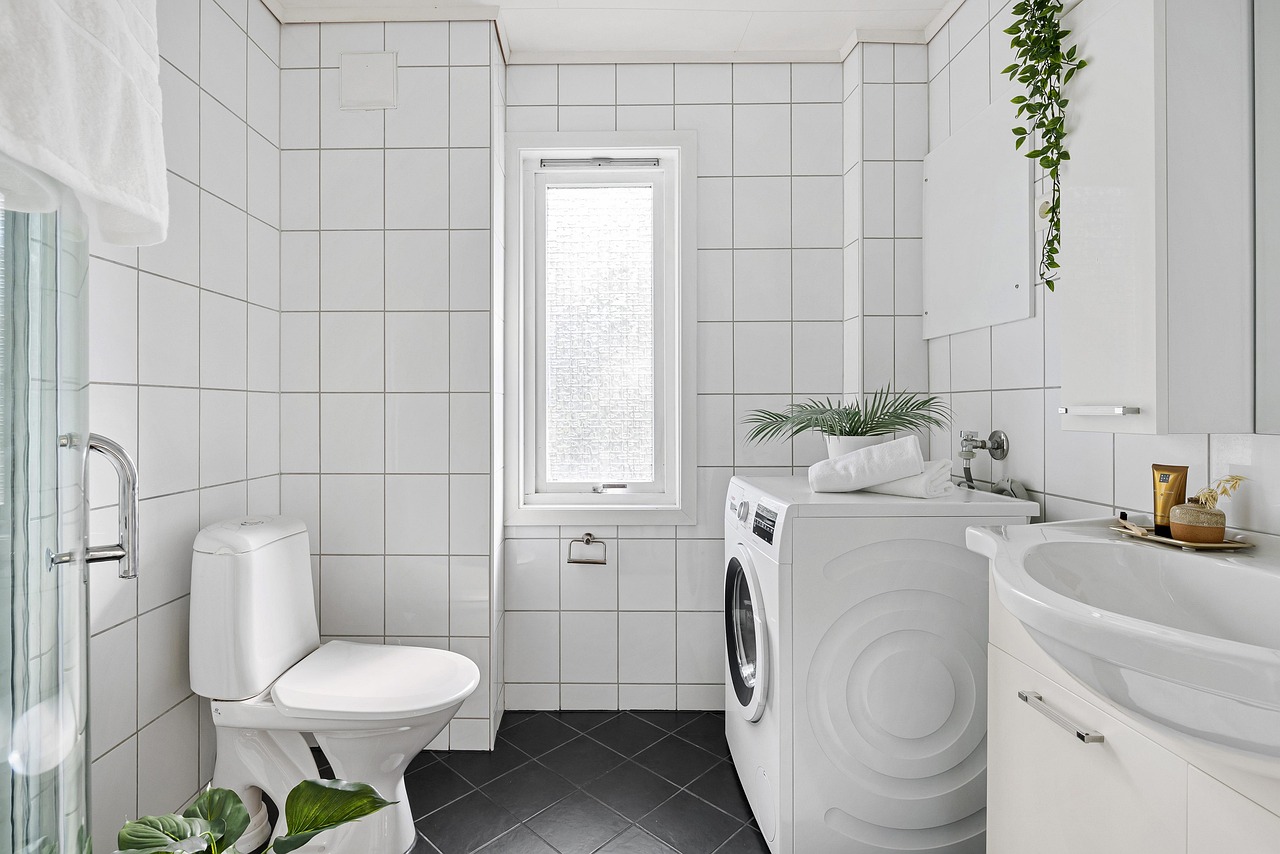
Eco-conscious homeowners are increasingly seeking Eco-Friendly Bathroom Materials that blend performance with environmental responsibility. The right selections can reduce indoor VOC exposure, lower water and energy use, and minimize waste across a bathroom's life cycle. This guide explains what to look for, highlights durable and stylish options, and provides a practical framework for planning a bathroom renovation that aligns with EEAT principles (expertise, authoritativeness, and trustworthiness).
Why choose eco-friendly bathroom materials?
Choosing materials with a lower environmental footprint helps reduce resource depletion, emissions, and toxicity in indoor spaces. Life cycle thinking—considering extraction, manufacturing, transport, installation, use, and end-of-life disposal—is key. When products are certified or labeled, you gain confidence in health and performance claims, making it easier to compare options.
Health and indoor air quality are central to bathroom design. Many traditional finishes release volatile organic compounds (VOCs) that can affect comfort and well-being. Opt for low or zero VOC paints, sealants, adhesives, and caulks, and select materials with established GREENGUARD Gold or Cradle to Cradle certifications for improved indoor air quality. Durability matters in moisture-prone spaces; long-lasting materials reduce waste and ongoing maintenance, aligning with responsible renovation goals.
Durable eco-friendly options
Bamboo and FSC-certified wood cabinetry
Bamboo grows rapidly and provides a renewable alternative to slower-growing hardwoods. When sourced from FSC-certified suppliers, it carries strong assurances of sustainable forest management and fair labor practices. In bathrooms, choose moisture-resistant, water-based finishes with low VOCs. Proper sealing, ventilation, and humidity control extend the life of cabinetry, helping to prevent warping and mildew over time.
Beyond aesthetics, bamboo can be engineered into sturdy cabinet components that resist daily use. Look for manufacturers that disclose the product’s lifecycle data and supply chain transparency, reinforcing the material’s credibility as an eco-friendly choice.
Reclaimed wood and cork
Reclaimed wood gives new life to salvaged timber, reducing waste and avoiding virgin material extraction. Finishes should be moisture-rated and sealed to withstand bathroom humidity. Cork flooring offers natural acoustic insulation, a comfortable feel underfoot, and renewable harvesting from the cork oak tree without cutting the trunk. When properly sealed, cork resists moisture and maintains a warm, inviting look that complements modern or traditional styles.
Both options require attention to moisture management and periodic maintenance, but they deliver unique character while supporting circular economy principles.
Recycled glass tiles and porcelain with recycled content
Tiles made from post-consumer recycled glass or porcelain with recycled content divert waste from landfills and reduce raw material extraction. They are durable, resistant to moisture, and easy to clean, making them popular in showers and backsplashes. Verify slip resistance ratings for wet areas and confirm installation guidelines with your contractor to ensure longevity.
Color and texture options are broad, allowing for creative designs that still meet sustainability goals. Some suppliers also offer recycled-content tiles with low-emission glazes, contributing to healthier indoor environments.
Low-VOC paints and sealants
Low-VOC and zero-VOC paints, primers, and sealants minimize off-gassing during and after a renovation. Look for GREENGUARD Gold certification or equivalent third-party verification to ensure that compounds released into the air are within safe limits for living spaces. When possible, choose water-based products and sealants that perform well in damp bathroom environments without compromising air quality.
Water-saving fixtures
Efficient toilets, faucets, and showerheads reduce long-term water use without sacrificing performance. Look for WaterSense labels and aerated designs that maintain a satisfying user experience while cutting consumption. Durable fixtures with ceramic discs, leak-resistant cartridges, and stainless-steel or brass components will stand up to years of use in a busy bathroom.
Recycled-content countertops
Engineered countertops that incorporate recycled glass or quartz with low-emission binders offer style with a reduced material footprint. These surfaces are non-porous and resistant to stains, making maintenance straightforward. Ensure sealants and resins used in the product are low-VOC and that the countertop is rated for bathroom humidity and heat exposure skills.
Product comparison at a glance
| Material | Durability | Maintenance | Eco Benefit | Estimated Cost |
|---|---|---|---|---|
| Bamboo cabinetry (FSC-certified) | High with proper sealing | Moderate; avoid standing water | Renewable, low-emission finishes | Moderate-High |
| Reclaimed wood cabinetry | Good; depends on history and treatment | Seal regularly; moisture control | Repurposed material, reduces waste | Moderate |
| Recycled glass tiles | High | Low to moderate; standard cleaning | Waste diversion, recycled content | Moderate |
| Porcelain/ceramic tiles with recycled content | High | Low; durable surface | Recycled content, long lifespan | Moderate |
| Cork flooring | Good; moisture management essential | Easy to maintain; seal for moisture | Renewable, natural insulator | Moderate |
| Low-VOC paints and sealants | Variable; depends on product | Low maintenance | Improved indoor air quality | Comparable to standard products |
| Recycled-content countertops | High | Care with heat and stains | Recycled content, lower raw material use | High |
Planning and considerations for your renovation
Start with a strategic plan that balances aesthetics, durability, and environmental impact. A practical approach includes: 1) Assessing your needs for water use, air quality, and maintenance; 2) Checking certifications such as FSC for wood, GREENGUARD Gold for finishes, Cradle to Cradle ratings, and WaterSense for fixtures; 3) Sourcing locally where possible to minimize transport emissions while supporting regional suppliers; 4) Engaging a contractor experienced in green renovations and moisture management to ensure proper installation and ventilation; 5) Building a budget that accounts for premium sustainable materials and potential long-term savings on energy and water bills.
Additionally, document product lifecycle data and warranty terms from manufacturers. Ask for materials that provide end-of-life options, such as recycling programs or take-back schemes. Transparent communication from suppliers and installers builds trust and helps you maintain EEAT standards for your renovation project.
Summary: Eco-friendly bathroom materials emphasize durability, low emissions, and thoughtful lifecycle decisions. By choosing bamboo or reclaimed wood, recycled glass tiles, cork, low-VOC paints, and water-saving fixtures, you can create a bathroom that performs beautifully while reducing environmental impact. Planned correctly, these choices deliver long-term value, healthy indoor air, and a stylish space that stands the test of time.