.png)
Bathroom Ventilation System Upgrade: Essentials
Learn how a Bathroom Ventilation System Upgrade improves moisture control, reduces mold, and boosts comfort.
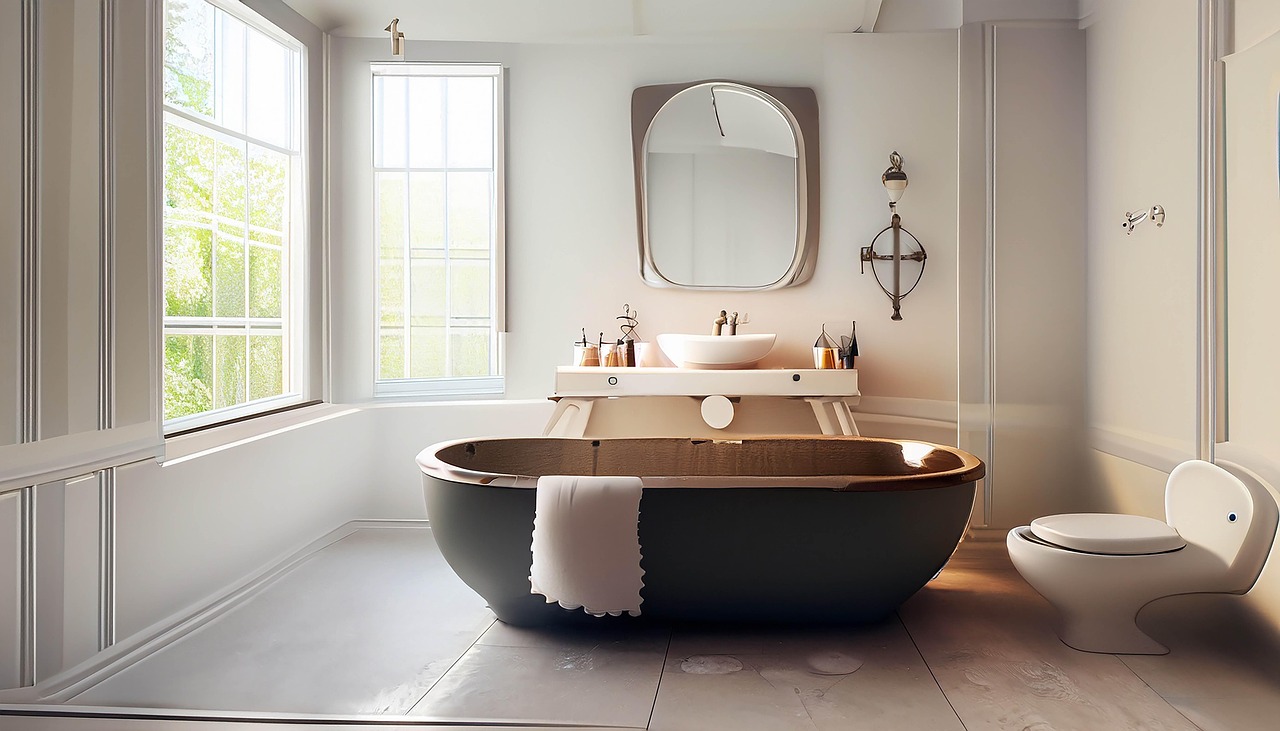
A Bathroom Ventilation System Upgrade is a strategic move for homeowners who want healthier air, reduced moisture issues, and a more comfortable bathroom experience. Upgrading fixtures and controls isn't merely about style; it's about meeting humidity demands, improving indoor air quality, and aligning with energy efficiency and building codes. This guide explains how to plan, select, and install an upgraded system that fits your bathroom size, climate, and budget, while upholding the principles of expertise, authority, and trustworthiness (EEAT).
Why upgrade your bathroom ventilation?
Old or undersized fans can fail to remove humidity quickly enough, which promotes mold growth, condensation on surfaces, and unpleasant odors. A well designed upgrade can maintain surface temperatures, protect finishes, and create a healthier environment for residents. In addition, modern fans with humidity sensing and smart controls can operate only when needed, reducing energy use and extending appliance life.
When planning a Bathroom Ventilation System Upgrade, consider the bathroom size, the number of moisture-generating fixtures, and whether the bathroom shares an exhaust path with other spaces. A properly sized system helps you meet or exceed local codes and expected Energy Star or efficiency standards.
Understanding the basics of bathroom ventilation
Ventilation removes moist air from the room, adds exterior air where needed, and prevents condensation on mirrors and walls. Key concepts include CFM (cubic feet per minute) which measures how much air the fan moves, duct design to minimize resistance, and the noise level, often expressed in sone units. Ideally, a system should balance effective moisture removal with quiet operation and reliable performance in varying weather conditions.
Upgrade options
Standard exhaust fan
A basic exhaust fan exhausts moist air to the outdoors. It’s usually inexpensive and straightforward to install, but it may lack sensors or automation. For smaller bathrooms, a 50 to 80 CFM unit is common, with noise around 2.5 sone or less depending on design.
Humidity sensing fan
Humidity sensing fans automatically run when humidity rises above a set threshold. They offer improved moisture control and energy efficiency, as the fan operates only when needed. This is a popular upgrade for bathrooms used by families and moisture-intensive spaces like those with showers used frequently.
Inline duct booster and smart ducting
For bathrooms with longer duct runs or less favorable routing, an inline booster can help maintain adequate CFM. Paired with smart controls, these systems can respond to changes in humidity, pressure, or occupancy, ensuring reliable performance even in tight spaces.
Whole-bathroom ventilation connected to HVAC
In larger homes, some upgrades integrate bathroom ventilation with the central HVAC system. This approach can provide balanced air exhaust and supply, but it requires careful design, proper zoning, and professional installation to avoid pressurization issues or backdrafts.
Smart controls and automation
Smart features, including humidity sensors, motion sensing, and remote controls, help tailor operation to real usage. A well designed setup can include timers, auto shutoff, and energy monitoring, contributing to a smarter, healthier home.
Planning your upgrade
Assess the current system by inspecting the fan, duct path, exterior vent, and any signs of mold or condensation. Determine the target CFM based on bathroom size and local guidelines. A common rule is to aim for at least 1 CFM per square foot of bathroom area, with a minimum of around 50 CFM for small baths; larger bathrooms may require higher values. Always check local codes and energy efficiency programs for specific requirements.
When sizing and selecting components, consider duct length, number of bends, and insulation. Long runs and many elbows increase static pressure and reduce actual airflow. Use smooth-walled rigid or semi-rigid ducts whenever possible, avoid venting into attics, and seal joints to prevent leaks. Select a unit with a moisture- and rust-resistant housing for durability in humid environments.
Controls and features matter. If you want hands-off operation, prioritize humidity sensing and smart timer features. If you prefer predictable performance, choose a unit with a fixed CFM that aligns with the bathroom volume. Noise matters too; look for units advertised at or below 1.5 to 2.0 sone for a quiet bathroom experience.
Installation and maintenance basics
Professional installation is recommended for electrical connections, ducting integrity, and exterior vent termination. Start by turning off power to the circuit, removing the old fan, measuring the new unit against the duct opening, and validating duct clearance and exterior vent clearance. When attaching the new fan, seal all joints and ensure proper grounding. After installation, test for airflow, verify that exterior vent fans operate freely, and check for condensation around the duct to catch leaks early.
Maintenance is simple: clean grilles and housings as recommended by the manufacturer, inspect for mold or rust, and replace any dampened filters if used. Periodic testing of humidity sensors and ensuring the exterior vent remains free of obstructions will sustain performance over time.
Costs and return on investment
Typical costs include the fan unit, any duct work, and professional installation. Basic exhaust fans may cost a few hundred dollars, while humidity sensing or smart-vent options can be several hundred dollars more. If ducting is old or poorly routed, plan for additional expenses to reroute runs or install exterior vent caps. Although upgrades require upfront investment, benefits such as reduced mold risk, lower energy waste, and longer appliance life can lead to savings over time.
Comparison table
| Option | Typical CFM | Noise (sone) | Key Pros | Key Cons | Best For |
|---|---|---|---|---|---|
| Standard exhaust fan | 50–110 | 1.0–2.5 | Low cost, simple install | No sensors, higher energy if left on | Small bathrooms or budget upgrades |
| Humidity sensing fan | 80–110 | 1.0–2.0 | Automatic moisture control | Higher upfront cost | Moisture-heavy bathrooms |
| Inline booster with ducting | 100–150 | 1.5–2.5 | Improved performance for long ducts | Requires duct access and space | Long duct runs |
| Whole-bathroom HVAC-connected | Variable | 1.2–2.5 | Balanced air and efficiency | Complex and costly | Large homes with central systems |
| Smart controls and automation | Varies | 1.0–2.0 | Automation and energy savings | Requires compatibility and setup | Tech-focused upgrades |
Expert tips and verification
For EEAT quality, rely on industry standards from organizations such as ASHRAE and local building codes. Request documentation from licensed professionals, including product datasheets, warranty information, and confirmation of exterior vent placement. When possible, choose installers with verifiable experience in bathroom projects and ask for references. Verifying installation quality, correct sizing, and code compliance helps ensure a durable, safe upgrade.
DIY vs professional installation
While a few simple upgrades can be DIY friendly, electrical work, duct routing, and exterior venting typically require a licensed professional. Improper wiring, incorrect CFM sizing, or venting into a confined space can create safety hazards or reduce moisture control. If you approach a project as a systems upgrade rather than a single component, you’re more likely to achieve long-term comfort and compliance.
Maintenance and long-term care
Set a regular maintenance schedule that includes cleaning the fan grille, checking seals, and inspecting ducts for leaks. Replace any damp filters, and test humidity sensors periodically. Keep access panels undisturbed to permit future maintenance. A well maintained system maintains performance, reduces noise, and prolongs service life.
Conclusion, upgrading your Bathroom Ventilation System Upgrade improves moisture control, reduces mold risk, and enhances bathroom comfort. By sizing correctly, selecting appropriate features, ensuring proper ducting, and hiring qualified installers, you achieve durable results and better indoor air quality.