.png)
Bathroom Lighting Design and Installation Essentials
Guide to Bathroom Lighting Design and Installation for safety, style, and efficiency.
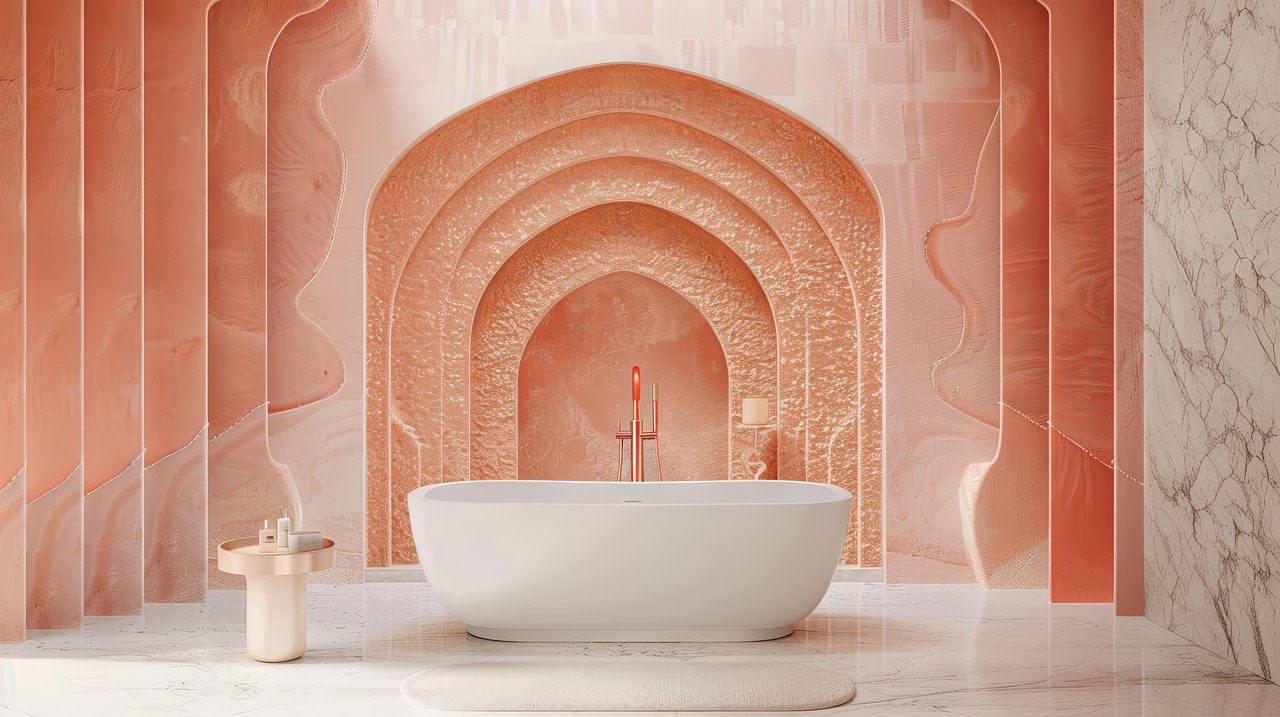
Creating the right bathroom lighting starts with understanding how light affects safety, function, and atmosphere. A well-planned design blends ambient, task, and accent lighting to eliminate shadows, enhance usability, and highlight architectural features. When done correctly, bathroom lighting supports daily routines, boosts property value, and reduces energy waste. This article walks you through proven strategies for Bathroom Lighting Design and Installation, with practical tips you can apply now and reminders to protect both occupants and property.
Planning Considerations for Bathroom Lighting
Before you select fixtures, map out how the space will be used. Bathrooms have moisture, heat, and reflective surfaces that influence light choices. Start with a lighting plan that specifies three layers: ambient (general), task (functional), and accent (design features). Consider color temperature and color rendering so whites read correctly under glare-free illumination, and ensure all components meet local electrical codes and safety standards.
Safety, Codes, and Moisture
In most jurisdictions, bathroom lighting must be rated for moisture exposure and installed with ground fault protection. Look for IP ratings suitable for bathrooms (IP44 is common for damp zones, IP65 for wet zones or showers). Install fixtures in accessible locations and use sealed or gasketed housings when possible. Always shut off power at the breaker before starting any work, and hire a licensed electrician to complete wiring and connections.
Color Temperature and CRI
Choose color temperature to match morning and evening routines. Warm whites around 2700–3000 Kelvin feel inviting for vanity areas, while cooler 3500–4000 Kelvin can improve visibility for shaving or applying makeup. A high color rendering index (CRI 90+) helps color accuracy, making skin tones and bathroom finishes appear natural under artificial light.
Layered Lighting: Ambient, Task, and Accent
Ambient Lighting
Ambient lighting provides overall brightness without creating harsh shadows. Ceiling-mounted LED panels, flush-mount fixtures, or recessed downlights deliver even coverage. Aim for 100–300 lumens per square meter depending on room size and mirror placement. Dimmable options let you adjust mood and energy use.
Task Lighting
Task lighting centers on the vanity mirror where detailed grooming occurs. Horizontal lighting mounted at eye level or slightly above reduces shadows on the face. Consider wall sconces or LED vanity bars with glare protection and even illumination across the mirror. Ensure fixtures are within arm’s reach if you plan wall-mounted controls and that the lighting is bright enough for precise tasks without glare.
Accent and Feature Lighting
Accent lighting highlights architectural features, shelves, or textured tiles. Low-profile strip LEDs under cabinets or in niches can add depth to the space without overpowering the main task light. Use dimmable accent lighting sparingly to preserve balance and avoid cluttered visuals.
Fixture Types and Practical Layouts
Different fixture types serve different roles. The most practical bathroom layouts combine several fixtures to achieve the layered approach described above.
- LED recessed downlights for ambient coverage that remains energy efficient.
- Vanity light bars or wall sconces for flattering, shadow-free task lighting.
- Waterproof or damp-rated fixtures for shower zones and around mirrors in wet areas.
- Under-cabinet or toe-kick lighting for subtle guidance and safety at night.
Placement matters as much as fixture type. Avoid placing fixtures directly above the mirror to prevent unflattering shadows. Space downlights evenly to minimize dark corners. If high ceilings limit fixture count, opt for higher lumen output LEDs with better diffusion rather than more fixtures.
Energy Efficiency, Dimmability, and Controls
LED technology offers long life, low heat, and reduced energy consumption compared with traditional bulbs. Pair LEDs with smart or programmable dimmers to tailor lighting to different times of day and tasks. For safety and convenience, consider motion sensors near entry doors or in towel storage areas, but test sensors to avoid unwanted activation during sleep hours.
Controls should be easy to reach from the shower or tub without compromising safety. Use wall dimmers with compatibility for LED loads, and ensure all control devices are rated for bathroom use and properly grounded. If you install a combination of dimmable and non-dimmable fixtures, clearly label the system to prevent mismatched operation.
Installation Best Practices
Professional installation ensures safety and code compliance. Plan wiring to minimize exposed conductors and to allow future upgrades without major work. Key steps include turning off power at the panel, verifying circuit integrity, routing wiring through concealed channels or above ceilings where allowed, and using appropriate junction boxes with accessible covers. Use recessed or surface-mounted fixtures designed for moisture-prone environments, and seal around fixtures to reduce moisture ingress.
When selecting fixtures, choose models with appropriate IP ratings, gasketed enclosures, and suitable LEDs for long life. Label circuits clearly and document the layout for future maintenance. After installation, test all lighting layers, dimming ranges, and sensors to confirm consistent performance and safety.
Comparison of Common Bathroom Lighting Options
| Lighting Type | Pros | Cons | Best Use |
|---|---|---|---|
| LED Recessed Downlights | Even ambient light, long life, low heat | May require ceiling access for installation | Overall illumination in dry zones |
| Vanity Light Bars | Even facial illumination, reduces shadows | Glare if not properly diffused | Task lighting at the mirror |
| Wall Sconces (Damp-rated) | Style and practicality, side lighting | May require additional ambient light | Flanking mirror lighting near vanity |
| Waterproof LED Strip (Under-cabinet/niche) | Accents and guidance lighting, flexible layouts | May require drivers/transformers and heat management | Accent lighting and safe night lighting |
Design Checklist for Bathroom Lighting and Installation
To implement Bathroom Lighting Design and Installation effectively, keep this checklist in mind: confirm the zone classification and IP ratings for each fixture, choose LEDs with 90+ CRI and 2700–4000K range depending on the space, ensure dimmers are compatible with LED drivers, mount fixtures at recommended heights, use GFCI-protected circuits, and document the layout for future maintenance. A well-documented plan helps maintain EEAT standards by demonstrating expertise and trustworthiness through careful planning and adherence to safety standards.
With careful planning, you can blend style and safety in a bathroom that feels bright yet cozy, while keeping energy use under control and maintenance straightforward.
Conclusion, a well-executed Bathroom Lighting Design and Installation relies on layered lighting, appropriate color temperature and CRI, moisture-rated fixtures, and professional wiring. It elevates daily routines, enhances safety, and confirms a space that is both functional and inviting. Remember to follow local codes, use suitable IP-rated fixtures in moisture-prone areas, and engage a licensed electrician for the installation to ensure lasting performance and compliance.